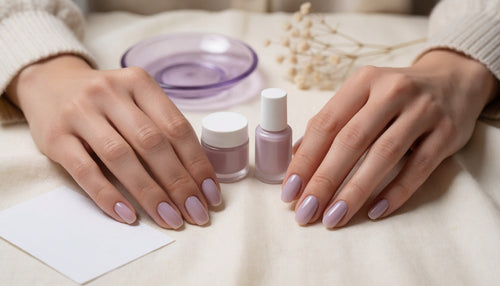
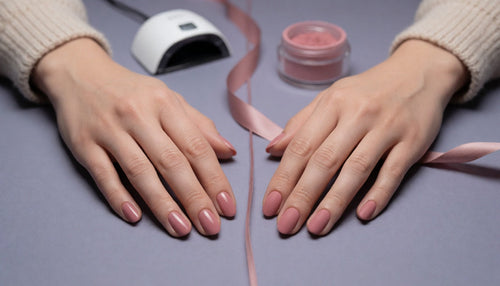
Standing in front of a wall of nail polish, it's easy to wonder whether the extra steps and equipment gel polish requires are actually worth it compared to a regular bottle of lacquer you already own. The honest answer depends on how much chip-resistance matters to you versus how much time and equipment you're willing to invest, so here's how the two genuinely compare.

How Each One Actually Works
Regular nail polish is a lacquer that air-dries through solvent evaporation, meaning the polish hardens as the liquid components evaporate into the air over the course of about an hour, which is why it stays vulnerable to smudging and denting for a while after application. Gel polish, by contrast, is a resin-based formula that only hardens when exposed to UV or LED light, creating a chemical reaction called polymerization that cures the entire layer at once, hard, in as little as thirty to sixty seconds under a lamp. This is the core reason gel polish comes out of the lamp already fully hardened and scratch-resistant, while regular polish is still technically drying for hours afterward even if it feels dry to the touch.

Wear Time and Chip Resistance
This is where gel polish clearly pulls ahead for most people. A well-applied gel manicure typically lasts two to three weeks without chipping, since the cured resin layer is significantly harder and more flexible than dried lacquer, allowing it to bend slightly with the nail instead of cracking. Regular polish, even with a good top coat, usually starts showing chips within three to five days for most people, especially on the fingertips where daily friction from typing, washing dishes, or general hand use wears through the softer lacquer film first. If you're someone who does a lot of hands-on activity daily, this durability gap becomes very noticeable within the first week.
Removal and Nail Health Considerations
Regular polish removes easily with any acetone or non-acetone remover and a cotton pad in under a minute per nail, causing essentially no stress to the natural nail. Gel polish requires soaking in pure acetone for ten to fifteen minutes, usually wrapped in foil, before it can be gently scraped away, and improperly removing it by peeling or picking can strip layers off the natural nail plate, leaving it thin and weak. If you switch between the two often, it's worth investing in proper gel remover clips or wraps and being patient with the soak time rather than rushing the process, since nail health issues from gel polish almost always come from bad removal habits rather than the product itself.

Shop related products at VeloVish →
Can I apply gel polish at home without professional equipment?
Yes, home gel polish kits with a compact UV or LED lamp are widely available and affordable, and applying gel at home is very manageable once you get comfortable with thin, even coats and proper curing times, though the lamp is a non-negotiable requirement since gel simply will not harden without it.
Is gel polish worse for nail health than regular polish long-term?
Gel polish itself isn't inherently damaging, but the removal process is where most nail damage occurs, so as long as you always soak it off properly rather than peeling it and give your nails an occasional break between gel sets, it can be worn safely on an ongoing basis.